Loyalty Point Architectures Powering Digital Prize Marketplaces
Written by Quinn Albrecht · Aug 8, 2026
Loyalty Point Architectures Powering Digital Prize Marketplaces
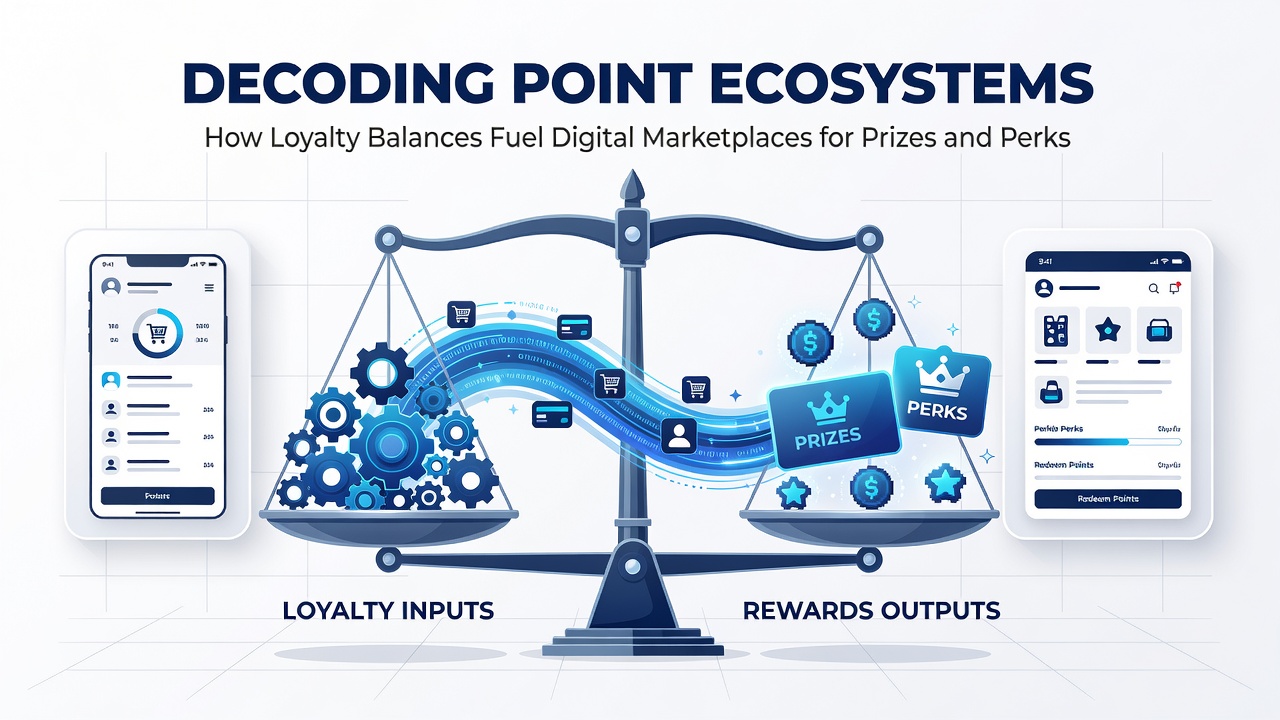
Digital marketplaces rely on structured loyalty point systems that convert user activity into redeemable balances for prizes and perks, and these frameworks operate through defined earning rules, redemption pathways, and balance tracking mechanisms. Platforms record points as users complete purchases, engage with content, or participate in promotions, while algorithms adjust point values based on activity tiers and seasonal campaigns that run through periods such as August 2026.
Earning Mechanisms Across Platforms
Users accumulate points through consistent transactions and targeted interactions, with systems awarding fixed amounts per dollar spent alongside bonus multipliers during promotional windows, and data from industry reports shows average earning rates range from one point per dollar in basic programs to five points per dollar in premium tiers. Retail and travel platforms integrate these calculations automatically, while third-party partners feed additional points into user accounts through affiliate networks that expand reach without direct platform involvement.
Redemption Pathways and Marketplace Dynamics
Once balances reach threshold levels, participants access auctions, fixed-price redemptions, and raffle entries that convert points into tangible prizes ranging from electronics to travel packages, and marketplaces maintain real-time inventory feeds that update availability as redemptions occur. These systems use bidding logic where higher point offers secure items faster, yet fixed redemption options remain available for users who prefer predictable outcomes over competitive bidding.
Balance Management and Expiration Rules
Point ecosystems track active and pending balances through centralized ledgers that prevent double-spending while allowing transfers between linked accounts in some programs, and administrators apply expiration policies that range from twelve months of inactivity to indefinite validity depending on the platform's retention strategy. Users receive notifications when balances approach expiration dates, which encourages continued engagement rather than point forfeiture.
Research from the Federal Trade Commission highlights how transparent disclosure of earning rates and redemption values reduces user complaints across digital reward services, while similar findings from Canadian authorities underscore the importance of clear terms in cross-border programs.
Integration with External Partners
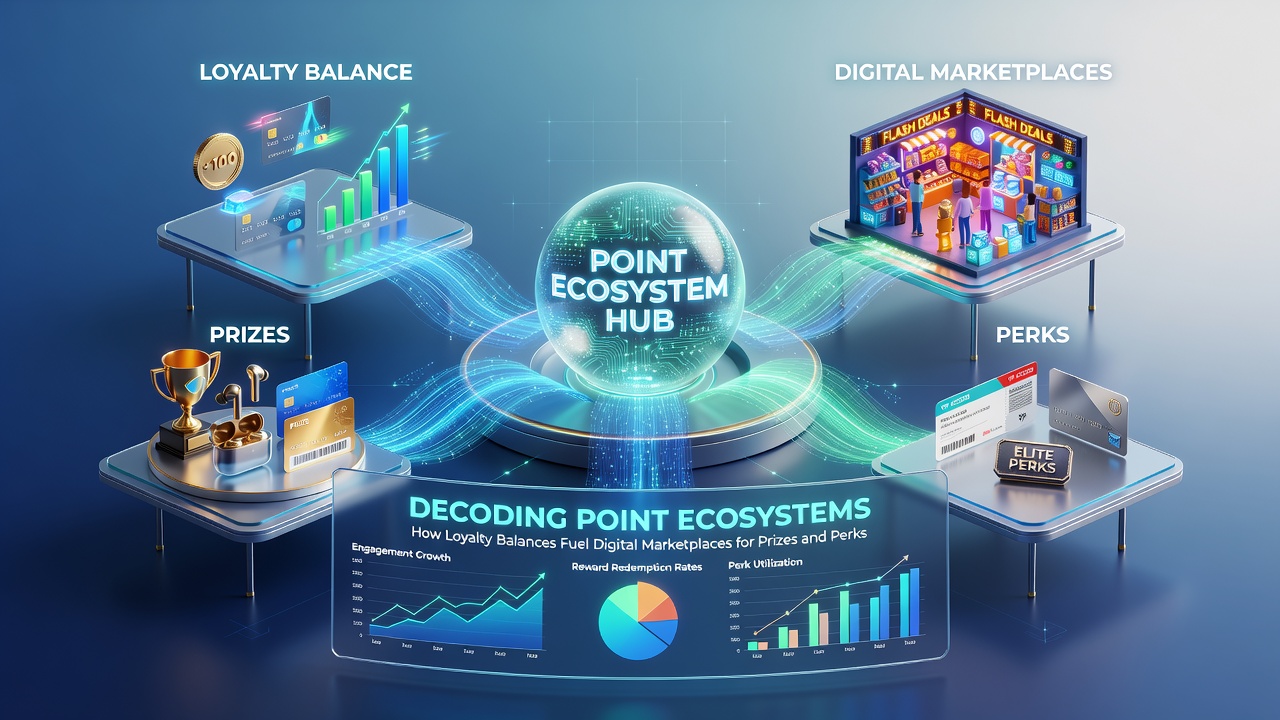
Many point systems connect with airline, hotel, and retail networks that allow seamless transfers at predetermined ratios, and these partnerships increase overall utility by expanding prize options beyond a single marketplace's catalog. Observers note that transfer windows often align with peak travel seasons, which drives higher redemption volumes during summer and holiday periods.
Trends Emerging in Mid-2026
August 2026 brought updates to several platforms that introduced tiered bonus structures tied to user tenure and spending velocity, while new API connections enabled faster point syncing across mobile and desktop interfaces. Industry analyses indicate these changes improved average session times by streamlining the path from activity to reward selection, and data shows increased participation in raffles that offer lower point entry costs compared with direct auctions.
Academic studies published through university research centers demonstrate that users who maintain steady point inflows achieve higher overall redemption success rates, whereas sporadic activity correlates with lower balance utilization over time. Platforms respond by adjusting earning opportunities to favor consistent engagement patterns rather than one-time spikes.
Security and Compliance Measures
Digital loyalty systems incorporate fraud detection protocols that monitor unusual redemption patterns and flag accounts for review, and regulatory frameworks in multiple regions require periodic audits of point valuation fairness to protect participants. These safeguards maintain system integrity without disrupting normal user flows, and compliance documentation remains available for review through platform transparency portals.
Conclusion
Point ecosystems in digital marketplaces function through interconnected earning, tracking, and redemption layers that convert everyday activity into access for prizes and perks, with ongoing refinements appearing in areas such as partner integrations and seasonal promotions. Data continues to guide adjustments that align platform incentives with user behavior across diverse geographic markets.