Portal Pathways: Default Interfaces Steering Loyalty Users to Bids, Breaks, and Perks
Written by Wendy Washington · Jul 30, 2026
Portal Pathways: Default Interfaces Steering Loyalty Users to Bids, Breaks, and Perks
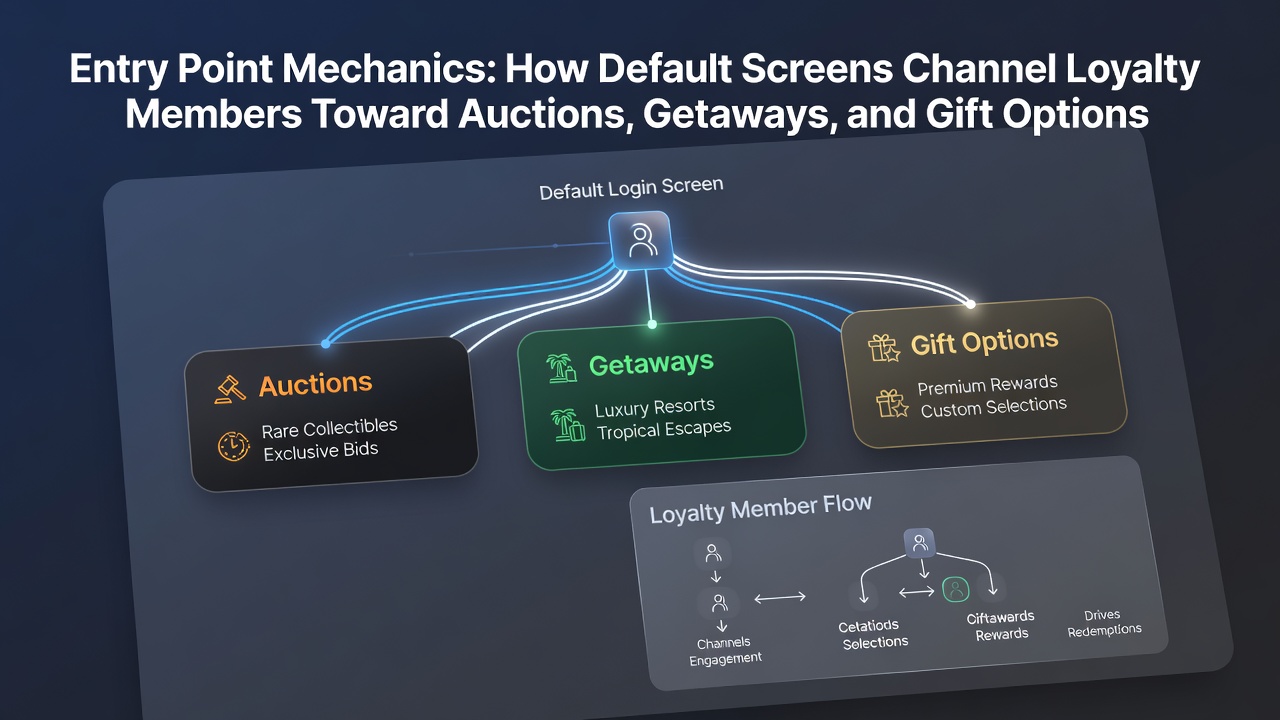
Default screens in loyalty programs function as structured gateways that present members with immediate pathways to auctions, vacation packages, and merchandise selections upon login. These interfaces organize content blocks, priority banners, and quick-link menus to highlight redemption categories without requiring additional navigation steps. Observers note that such designs reduce friction by placing featured auction lots, getaway deals, and gift catalogs in prominent positions on the initial view.
Interface Layout and User Direction
Designers arrange home screens so that central carousels rotate through current auction items while side panels list getaway packages and gift options in fixed modules. Data from industry reports indicate that members encounter these elements within the first few seconds of accessing the portal, which channels attention toward specific redemption types. Researchers have found that fixed positioning of these elements correlates with higher click-through rates to bidding pages, travel booking sections, and shopping carts compared to layouts that bury options in submenus.
Color coding and iconography further separate the three main channels, allowing users to distinguish auction timers from vacation calendars and product thumbnails at a glance. One study of digital reward systems revealed that consistent visual hierarchies guide repeat visitors toward preferred categories faster over successive sessions. Regulatory updates scheduled for July 2026 in several jurisdictions require clearer disclosure of redemption terms on entry screens, prompting operators to integrate compliance notices directly into default layouts without disrupting the flow toward auctions or getaways.
Mechanics Behind Channel Prioritization
Algorithms determine which auctions, trips, or gifts receive top placement based on member activity history and remaining point balances. When a user logs in with accumulated points near a bidding threshold, the screen often elevates active lots that match past searches. Similar logic applies to getaway promotions when seasonal patterns align with user location data, while gift suggestions adjust according to inventory turnover rates reported by program operators.
Case examples show programs that rotate featured content daily maintain engagement across all three categories rather than allowing one to dominate. Members who start on the default screen and move directly into an auction often return to the same entry point to browse getaways afterward, creating a looped navigation pattern. Figures from gaming associations outside the UK demonstrate that these loops increase overall redemption volume by presenting options in sequence rather than requiring separate searches.
Integration with Broader Program Features
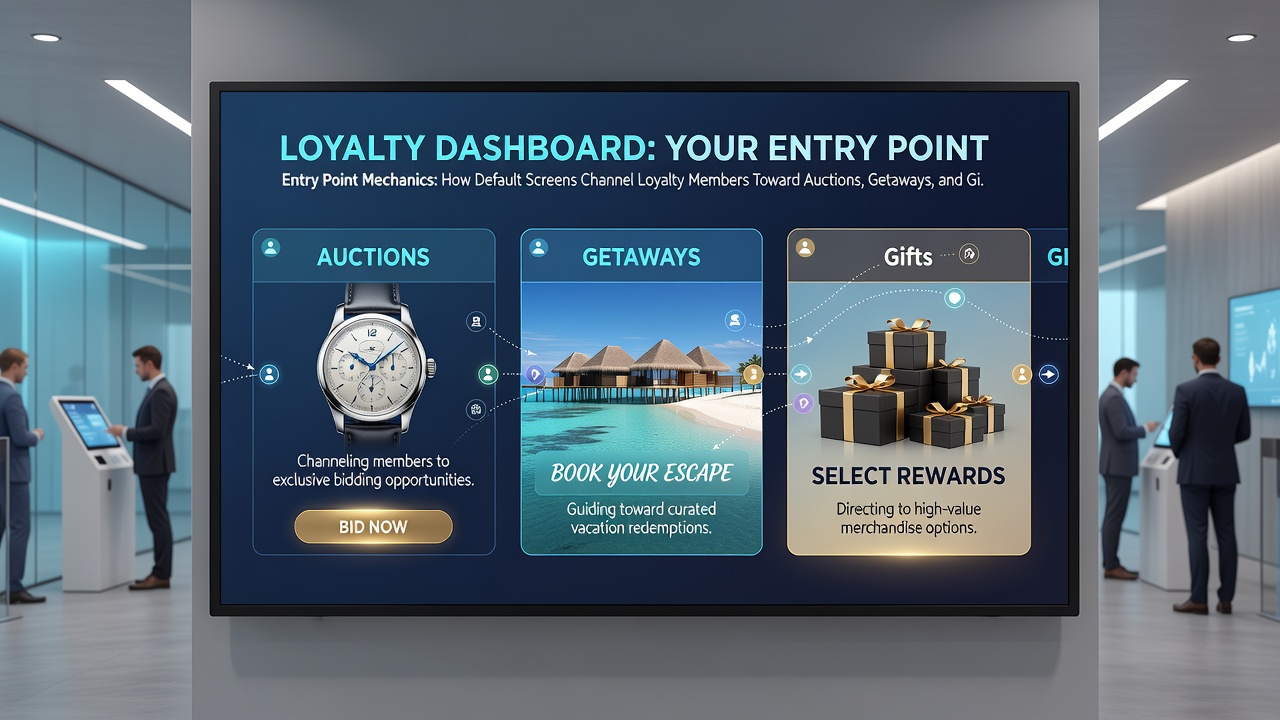
Default screens frequently incorporate status indicators that show how current point totals translate into auction eligibility, getaway discounts, or gift tiers. This integration appears alongside the main channels, so members see both opportunities and qualification levels without switching views. External analyses from research institutions in Australia and Canada link such combined displays to steadier participation rates across multiple redemption types.
Links to detailed rules or terms sit adjacent to each channel, satisfying transparency requirements while keeping the primary buttons for bidding, booking, or selecting gifts in the foreground. Programs that refresh these adjacent notices in line with upcoming rule changes, including those effective July 2026, maintain continuity in how users reach auctions and related options.
Observed Patterns Across Different Systems
Multiple loyalty platforms display parallel structures despite variations in branding. Auctions occupy the largest visual block when live bidding windows are open, getaways shift to prominence during promotion periods, and gift options remain visible as a constant low-commitment choice. Data collected by trade groups show that members who follow the default flow complete redemptions across all three areas more evenly than those who navigate via search functions alone.
Seasonal adjustments reposition content blocks, placing holiday-themed getaways ahead of standard auction items during peak travel months while keeping gift selections accessible year-round. These shifts occur automatically through backend rules that reference historical redemption data, ensuring the entry screen reflects current program priorities without manual intervention each day.
Conclusion
Default screens in loyalty systems operate through deliberate layout choices, algorithmic prioritization, and visual cues that direct members toward auctions, getaways, and gifts from the moment of access. These mechanics rely on fixed positioning, activity-based suggestions, and integrated status information to streamline movement between categories. As regulatory requirements evolve in 2026, operators continue to embed compliance elements within the same interfaces, preserving the established pathways while meeting new standards.