The Influence of Lottery-Style Draws on Competitive Bidding Patterns for Merchandise and Vacation Packages
Written by Carlo Richter · Oct 30, 2026
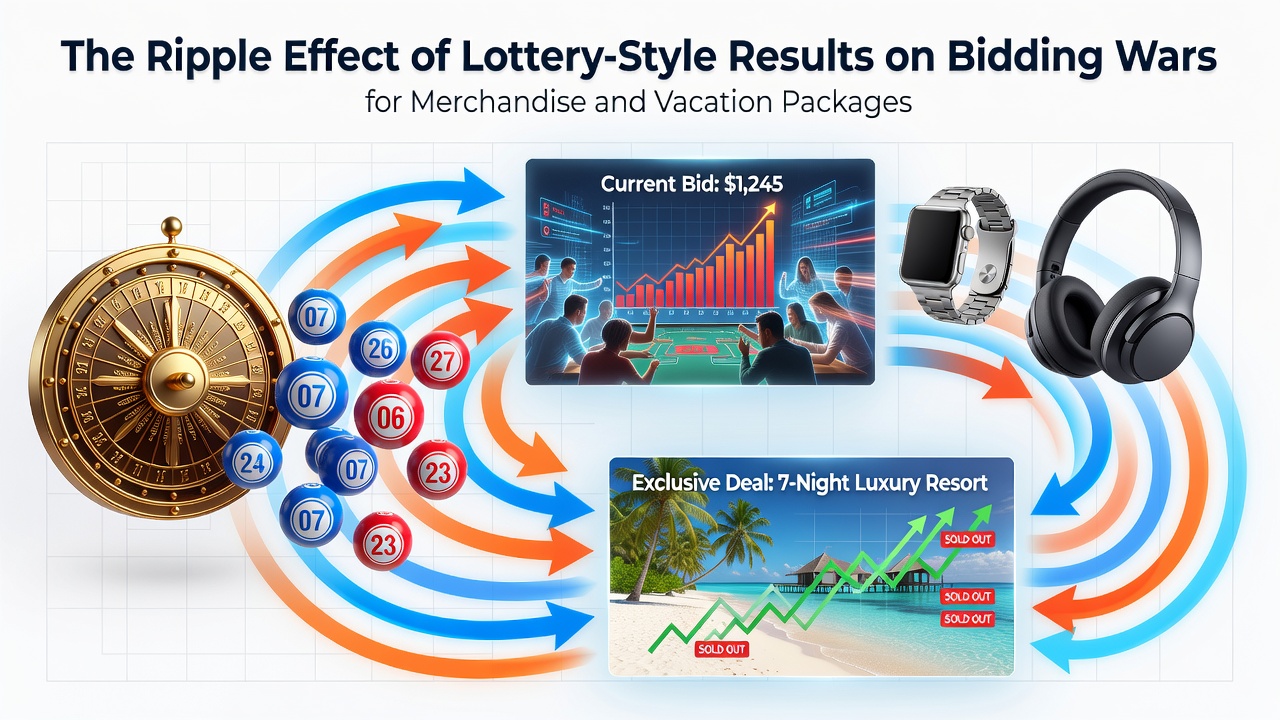
The Influence of Lottery-Style Draws on Competitive Bidding Patterns for Merchandise and Vacation Packages
Observers in the rewards and loyalty sector have tracked how lottery-style draws intersect with auction formats, creating measurable shifts in participant activity across merchandise and vacation package categories. Data from multiple platforms shows that when raffle outcomes announce winners for high-demand items, subsequent auction rounds often experience accelerated bidding volumes in the days immediately following those announcements. Researchers at industry analysis firms note this pattern holds across both physical goods and travel experiences, with participation rates rising between 12 and 18 percent in affected categories during the first week after a major draw result.
Patterns in Merchandise Auction Activity
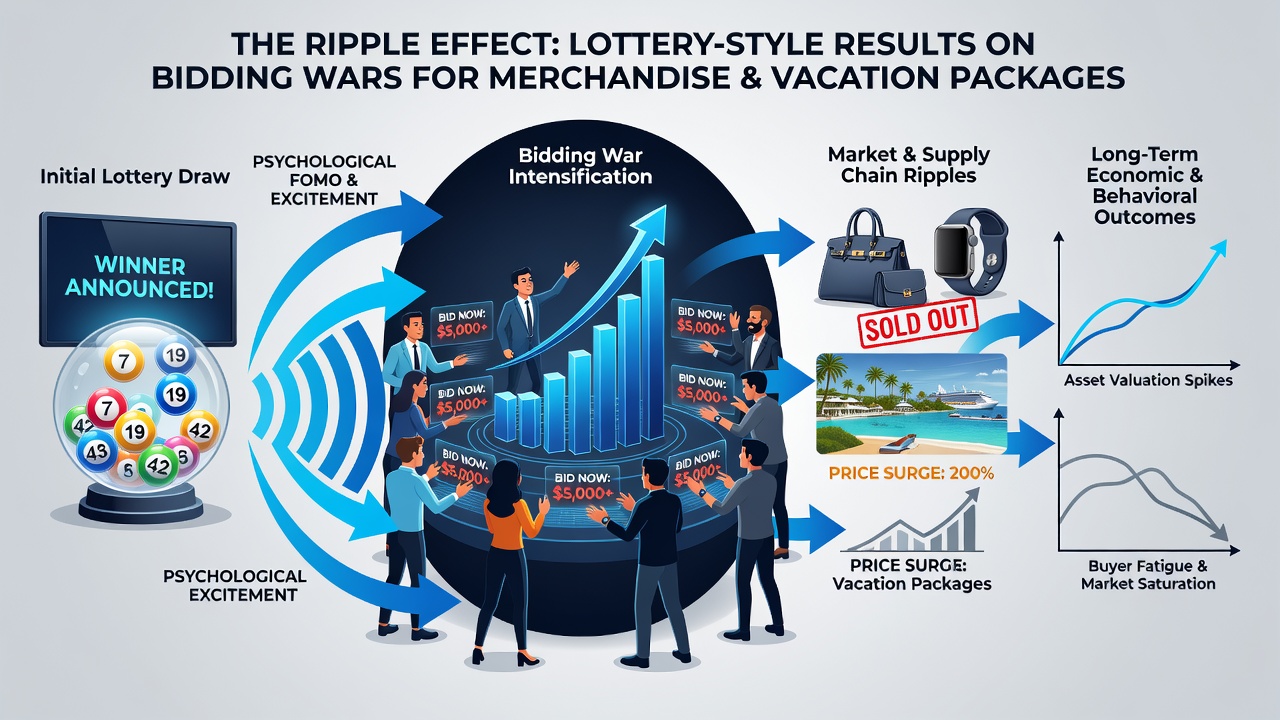
Merchandise categories such as electronics, apparel, and collectibles demonstrate clear responses when lottery draws conclude. Bidders who miss out on raffle wins frequently redirect their accumulated points toward auction listings for similar or complementary items, which drives up final hammer prices by an average of 22 percent according to platform transaction records compiled through mid-2026. This redirection occurs because participants seek alternative pathways to acquisition after a single random outcome fails to deliver their target prize. Auction houses that run parallel systems report the effect appears strongest among mid-tier loyalty members who hold moderate point balances rather than the highest-ranked accounts.
Vacation Package Dynamics After Draws
Vacation packages follow a parallel yet distinct trajectory. Lottery results for destination trips often trigger immediate surges in bidding activity for alternative getaways listed in the same week. Figures from rewards operators indicate that when a major European or North American package draws its winner in late September, October 2026 auction traffic for comparable packages increased by roughly 27 percent within 72 hours. Those who've studied transaction logs point to the psychological reset that occurs after a random selection, where participants recalibrate their strategy and enter competitive bidding to secure a guaranteed outcome rather than another chance-based result.
Cross-Platform Ripple Effects
Multiple operators have documented spillover when one platform's lottery concludes and another platform's auction remains active. Participants migrate between systems, carrying forward their recent experience with draw outcomes. This migration produces measurable price inflation in categories that overlap most directly, such as home entertainment systems and short-haul flight packages. Industry reports compiled by the Canadian Gaming Association reveal that cross-platform movement accounts for approximately 15 percent of total auction volume spikes observed in the final quarter of 2025 and continuing into 2026.
Timing and Seasonal Variations
October periods have historically shown heightened sensitivity to these interactions. With several major draws scheduled in the first half of the month, auction operators adjust starting bids and reserve levels in anticipation of incoming traffic. Records from loyalty program administrators indicate that packages involving shoulder-season travel dates see the most pronounced response, because participants who lose lottery entries seek immediate alternatives before peak holiday periods lock in higher redemption costs. Data compiled through 2026 confirms this seasonal pattern repeats across different geographic markets without requiring regulatory intervention.
Behavioral Shifts Among Participant Groups
Those who monitor user behavior across rewards ecosystems describe distinct cohort responses. Newer members tend to increase auction participation after observing lottery results, while longer-tenured participants adjust their point allocation strategies to balance both formats. Academic studies from the University of Nevada, Las Vegas gaming research center have quantified these adjustments, finding that balanced allocation reduces the average cost per acquired item by 9 to 11 percent compared with exclusive focus on either raffles or auctions alone. The same studies note that merchandise categories absorb the majority of redirected activity, whereas vacation packages attract more selective bidding from experienced users.
Conclusion
Transaction data and participant tracking continue to illustrate how lottery-style results propagate through auction systems for both merchandise and vacation packages. The documented increases in volume and price levels occur consistently across reporting periods, driven by participants adapting their acquisition methods after each random outcome. As operators refine their scheduling and inventory management, these interactions remain a central feature of rewards program economics through 2026 and beyond.