Tracing Routes From Virtual Play to Tangible Gains in Gaming Networks
Written by Quinn Albrecht · Jun 6, 2026
Tracing Routes From Virtual Play to Tangible Gains in Gaming Networks
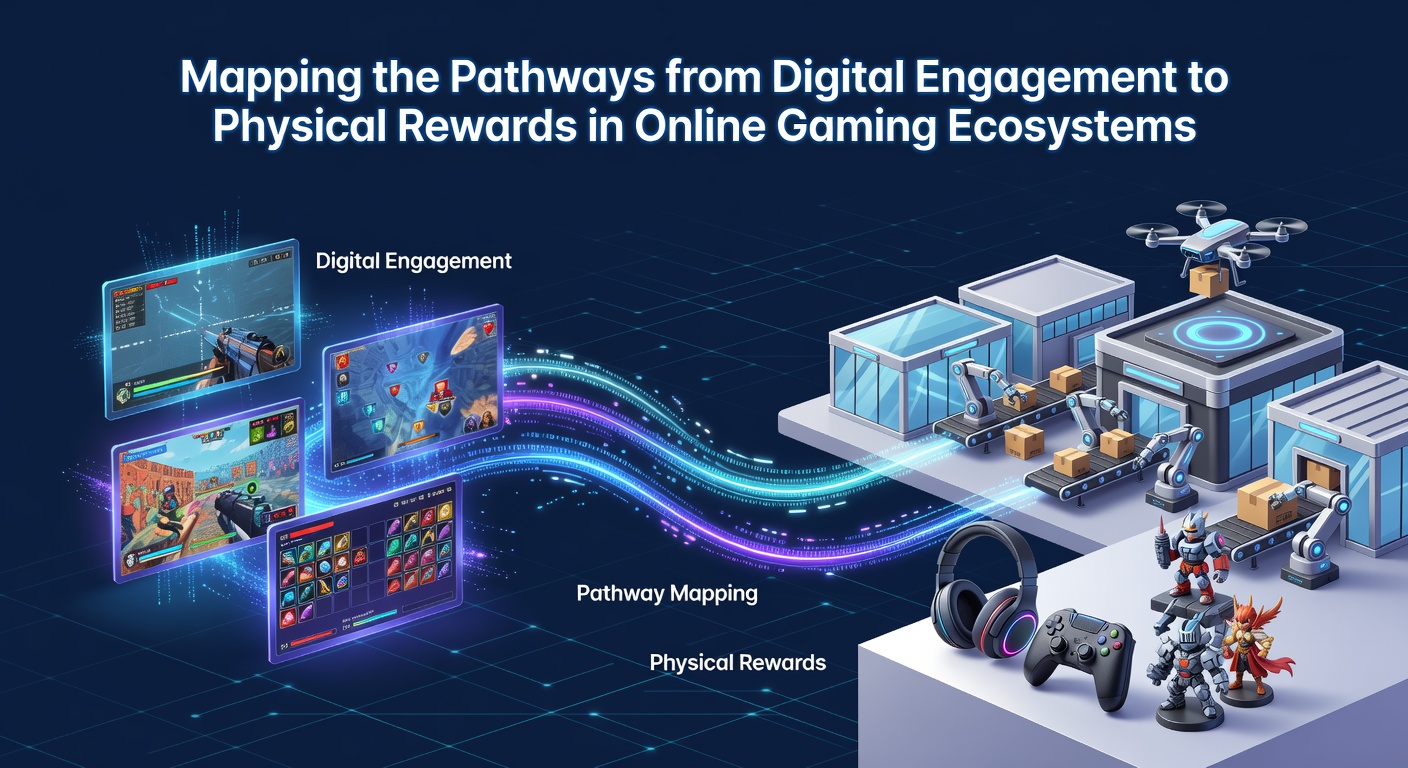
Online gaming ecosystems operate through structured sequences that convert player actions into measurable outcomes, and those sequences often extend beyond screens to deliver physical items or experiences. Researchers track these sequences by monitoring login frequency, session duration, in-game purchases, and social interactions, each of which contributes points or tokens that operators later exchange for merchandise, travel packages, or event access. Data from industry reports shows that such conversions rely on tiered loyalty programs where initial digital milestones unlock higher-value redemptions, creating clear progression maps that players follow across multiple platforms.
Core Components of Digital Engagement Tracking
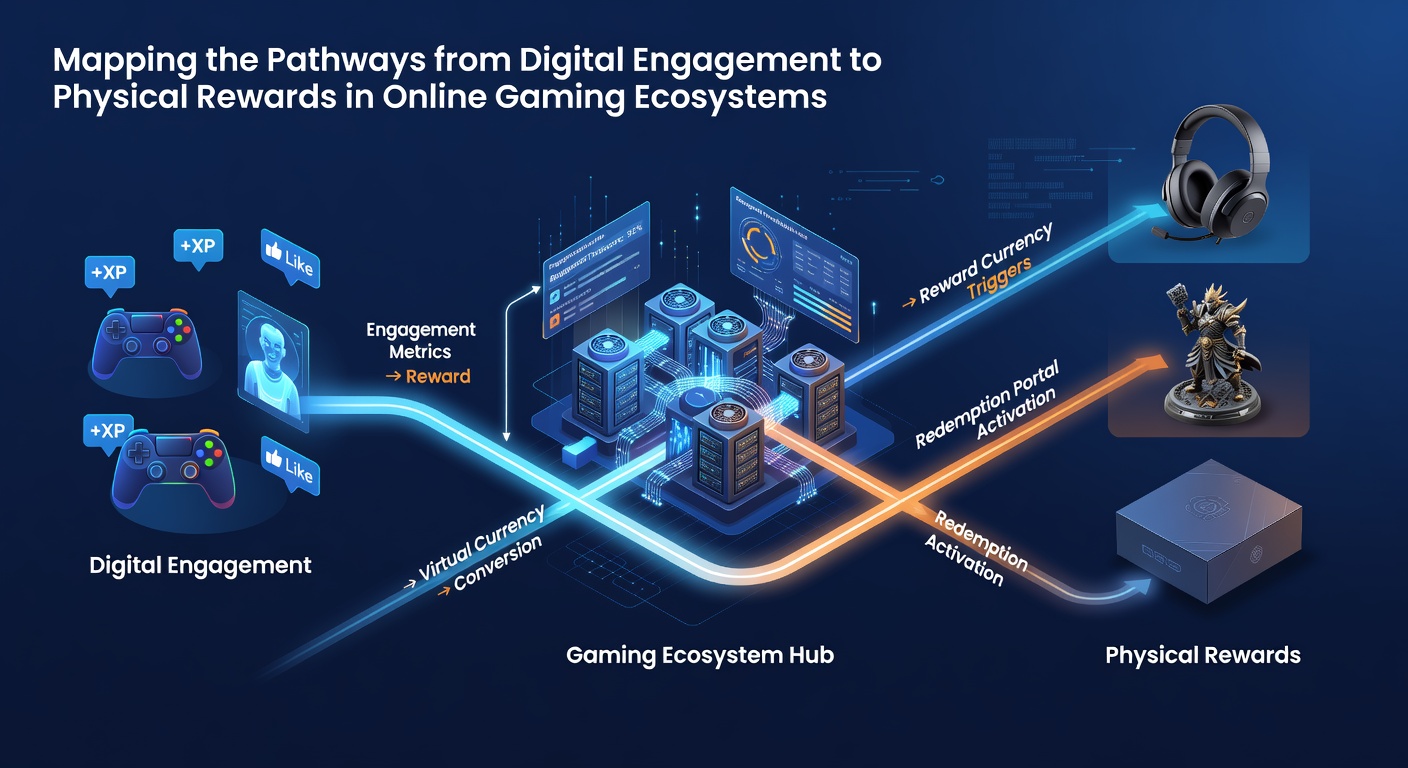
Engagement begins with basic metrics such as time spent in virtual environments and completion of daily challenges, while advanced systems record micro-transactions and community contributions that accumulate value over weeks or months. Platforms integrate these data points into centralized dashboards that display progress toward reward thresholds, allowing users to visualize how repeated logins translate into cumulative scores. Observers note that developers frequently update algorithms to weight certain activities more heavily, for instance assigning greater value to collaborative quests than solo play, and this weighting directly influences the speed at which physical rewards become available.
Studies conducted by the University of Nevada, Las Vegas Gaming Innovation Lab reveal that engagement patterns differ across genres, with multiplayer titles generating faster point accumulation than single-player experiences because social features encourage sustained participation. Those patterns feed into backend systems that automatically categorize users into segments, each segment tied to specific redemption options ranging from small physical accessories to larger prizes such as electronics or hospitality packages.
Conversion Mechanisms Linking Screens to Real Objects
Operators employ middleware that synchronizes virtual ledgers with external fulfillment partners, ensuring points convert into shipping orders or ticket reservations without manual intervention. When a player reaches a defined total, the system issues a voucher that external vendors honor, whether the item is a branded hoodie delivered by mail or entry to a live tournament. This process incorporates verification steps that confirm account activity meets anti-fraud criteria before any physical transfer occurs.
Examples from Established Platforms
One documented case involves a North American mobile gaming network that mapped 12 distinct engagement pathways, each leading to different physical categories such as apparel, gadgets, or experiential rewards. Participants who combined daily logins with in-app purchases reached redemption eligibility within 45 days on average, according to internal analytics shared at industry conferences. Another pathway highlighted by Canadian research institutions shows how esports viewers earn tokens through watch-time challenges that later convert into merchandise shipped from partnered suppliers.
Technological Infrastructure Supporting Reward Flows
Cloud-based databases maintain real-time records of player behavior, and application programming interfaces connect these records to inventory management systems operated by third-party vendors. Blockchain elements appear in some ecosystems to provide immutable logs of point issuance and redemption, reducing disputes when physical items fail to arrive on schedule. June 2026 marks the scheduled rollout of updated interoperability standards in several jurisdictions that require clearer disclosure of conversion rates, prompting operators to refine their mapping tools ahead of compliance deadlines.
Artificial intelligence models predict which engagement routes will yield the highest redemption rates, allowing platforms to adjust reward availability dynamically. These models analyze historical data sets that span multiple years and incorporate variables such as regional purchasing power and seasonal demand for certain physical goods.
Regulatory Influences on Reward Mapping Practices
Authorities in Australia and the European Union have introduced guidelines that mandate transparent documentation of how digital actions lead to physical outcomes, ensuring players understand exact requirements before committing time or money. These rules emphasize audit trails that trace every point from its digital origin to final delivery, and operators respond by publishing detailed pathway diagrams on public portals. Data compiled by the American Gaming Association indicates that jurisdictions adopting such transparency measures experience measurable increases in player retention when reward maps remain accessible and accurate.
Cross-border considerations also shape these systems because physical prizes must comply with customs regulations and tax reporting in destination countries. Companies therefore maintain separate mapping modules for different regions, each calibrated to local legal frameworks while preserving core engagement logic.
Conclusion
Mapping exercises continue to evolve as gaming networks expand their physical reward catalogs and refine the digital triggers that unlock them. The pathways remain anchored in quantifiable player actions yet depend on seamless integration between virtual tracking tools and real-world logistics networks. Continued monitoring by academic and industry bodies ensures these sequences stay functional and compliant across changing regulatory landscapes.